
Breaking the Fourth Wall... with Elzaan Rohde
By Danny Ward
I n the latest edition of Breaking the Fourth Wall, Danny speaks to Elzaan Rohde, founder of Semaphore Communications, about PR in South Africa.
Q. What do brands need to know if they are considering PR in South Africa?
A. South African business culture is built on personal relationships, diplomacy and reciprocity, with “win‑win” outcomes.
Years of inequality have left a deep sense of mistrust so people often turn to personal relationships to gauge someone’s reliability and intent. In a business environment shaped by constant challenges, from regulation and politics to skills shortages and fragile infrastructure, leaders tend to approach decisions with caution. Open confrontation or ‘hardball’ tactics also don’t land well here – people prefer to keep interactions respectful, preserve relationships and find a balanced way forward. At its heart, South African business culture reflects a collectivist mindset (the spirit of Ubuntu) where relationships mean more than one‑off transactions.
Brands considering PR in South Africa should focus on building trust, context and continuity. Authenticity is important. Instead of relying on brand claims alone, you need to share neutral, credible proof points like independent data, local success stories and endorsements from trusted partners.
Address everyday realities in your communications – like the skills gap, regulatory complexity and inequality. Most importantly, show your commitment through local investment in infrastructure, jobs and skills development, so people can see that you’re growing with the country, not just in it.
Before ‘selling’, take the time to build a rapport and understand local context. People want to know who they’re dealing with before they’ll commit to anything meaningful. In‑person conversations, a bit of genuine small talk, interest in their challenges and keeping promises all shows care and interest beyond a business transaction.
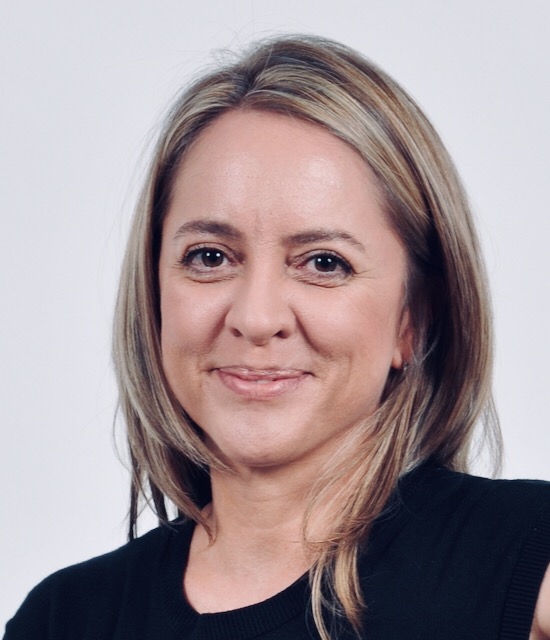
"Brands considering PR in South Africa should focus on building trust, context and continuity"Elzaan Rohde founder, Semaphore Communications
Q. What does the media landscape look like, and how do you best engage with journalists?
A. South Africa’s media consists of a few powerful groups which set the national agenda, alongside a small but influential pool of national journalists and fast‑growing digital and social channels.
Online platforms continue to grow with strong subscription and advertising models. Large portions of the population are also social-first. As of 2025, LinkedIn was the most used platform (85%), followed by Facebook/ Instagram (83%/ 73%), YouTube (63%) and TikTok (32.4%). X is niche but still influential (15.2%), especially for news, politics, media and real‑time issues.
Business media is dominated by a small group of high‑reach national digital titles and a long tail of B2B platforms. Influencer content is valuable but thin on the ground as it’s difficult to sustain commercially, so the loudest voices are journalists.
"At its heart, South African business culture reflects a collectivist mindset (the spirit of Ubuntu) where relationships mean more than one‑off transactions."Elzaan Rohde founder, Semaphore Communications
Q. Will journalists meet PRs for coffee? And do they have time to meet clients even when there isn’t a news story?
A. South African journalists are overstretched but they will still meet PRs and clients for coffee if the angle justifies 30 minutes of their time. It’s very selective, however. You will need a tight pitch with clear topical value (hot angle, sector trends, data). They need to come away with something of news value, not just a ‘nice to meet you’ chat.
Q. How do SA journos regard research – as a gimmick or as useful info?
A. Most journalists see good research as very useful as only a very small share of global research spend goes on South Africa and high quality local data is hard to come by. They will however push back if the study is flimsy, self-serving or lacks local context. For example, marketing dressed up as insight with vague claims, tiny or non-representative samples, loaded questions and conclusions that conveniently validate the brand’s product.
Q. Do SA journos cover stories about companies that aren’t based there? Eg US tech companies that only have a sales presence in the country
A. Yes, the media cover foreign companies with only a sales or regional office in South Africa, but the angle has to be clearly local. These pieces nearly always hinge on a South African impact: local jobs, investment, product launches in South Africa, partnerships with local players or how multinationals are changing competition and market dynamics
Q. Are there cultural nuances to consider across Africa as a whole?
A. Global logos help, but local proof points win (journalists often ask for numbers and quotes from in-market leaders rather than HQ). Budget may be needed for translation into French/Arabic/Portuguese plus a local language angle where relevant. WhatsApp is a de facto newsroom tool for many outlets (expect to share media kits, quotes, and approvals there). In some markets, there are expectations from journalists that costs will be paid if they attend events.
Share this: